"/></svg>)
Buying a Car at Auction: 10 Things to Check Before You Bid
Auction cars can offer real value, but they also carry risks that dealer lots rarely do. Here are ten practical checks to make before you raise your hand.
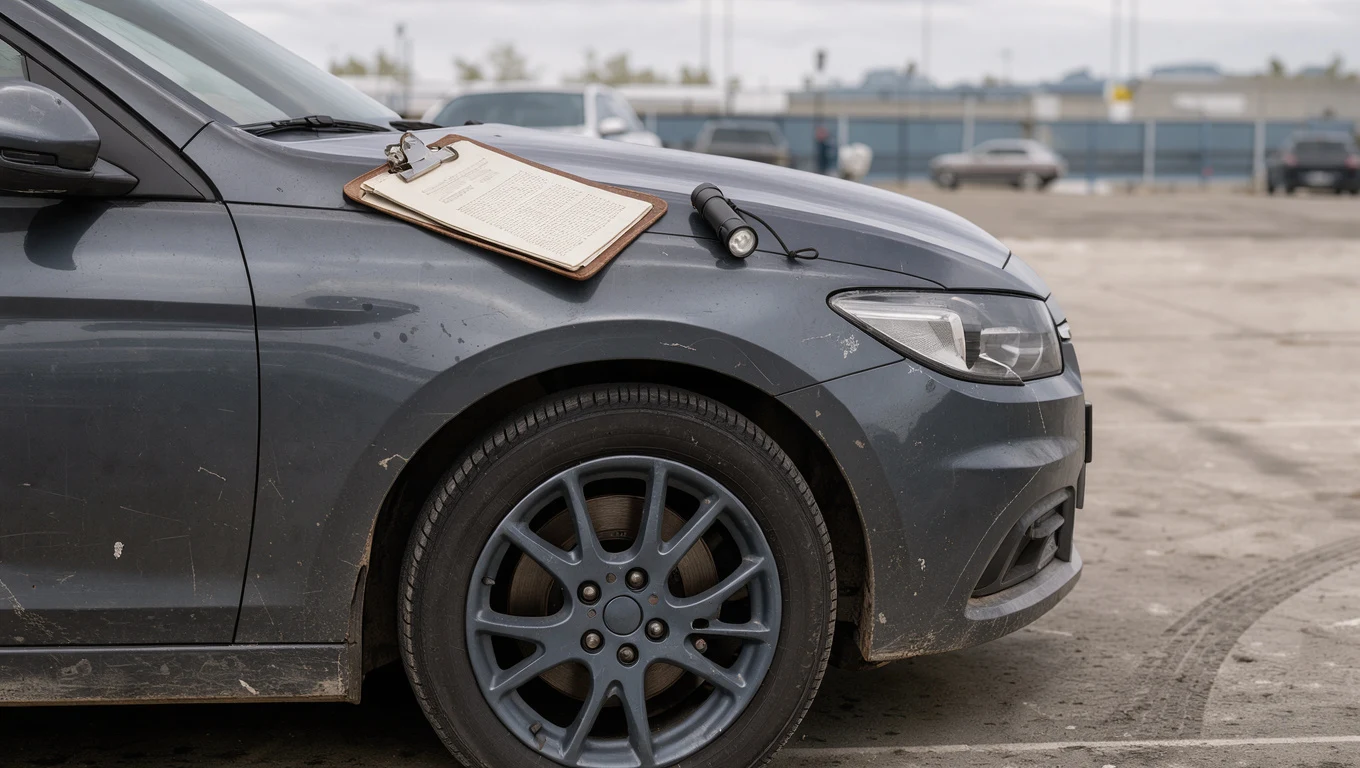
Buying a car at auction can be a smart way to find a vehicle below typical retail prices. It can also be an expensive lesson if you bid without preparation. Auction sales usually move quickly, cars are often sold as-is, and you may have only a short window to inspect a vehicle. The good news is that a careful buyer can reduce most of the risk by following a clear checklist. Here are ten things to check before you bid.
1. Decide your real maximum price first
Before the auction starts, work out the total amount you can afford to spend. The hammer price is only part of the cost. Auction houses typically add buyer's fees, and there may be taxes, transport, registration, and repairs to consider. Set a firm ceiling that includes these extras, and stick to it. Competitive bidding can push people past their limit, so writing the number down in advance helps.
2. Read the listing and run-sheet carefully
Most auctions publish listing details, photos, and condition notes. Read every line. Look for mentions of previous damage, missing keys, non-running status, salvage or rebuilt titles, or unclear mileage. Pay attention to wording such as "sold as seen" or "no warranty," which generally means you accept the car in its current state.
3. Check the title and legal status
The paperwork matters as much as the mechanics. Confirm whether the vehicle has a clean title, a salvage or rebuilt brand, a lien, or any other legal restriction. Ask how and when you will receive the title, and whether there are conditions that could delay registration. In some places, a salvage-branded car may be legal to drive but harder to insure or resell. Verify local rules before you bid.
4. Get a vehicle history report
Where available, use a vehicle identification number (VIN) to obtain a history report. These reports can show reported accidents, odometer records, title transfers, and other past events. A history report is not a guarantee, because not every incident gets reported, but it can reveal inconsistencies that deserve a closer look. If the auction does not provide a VIN before the sale, treat that as a warning sign.
5. Inspect the car in person whenever possible
Many auctions allow a preview period before bidding. Use it. Walk around the vehicle in daylight, check panel gaps for uneven spacing, look for paint overspray on trim or rubber seals, and inspect the tires for uneven wear. Look underneath for fresh leaks, rust, or damaged components. Bring a flashlight, a magnet to test for body filler on steel panels, and a checklist so you do not forget anything.
6. Check the engine, fluids, and cold-start behavior
If you are allowed to start the engine, listen for knocking, ticking, or unusual noises. Check the oil and coolant for signs of contamination, such as a milky appearance or a burnt smell. Look for smoke from the exhaust when the engine starts and again after it warms up. Ask whether the car was started cold, since a cold start often reveals problems that a pre-warmed engine can hide.
7. Test the transmission, brakes, and steering
If a test drive is permitted, use it to check how the car shifts, whether it hesitates or slips, and whether the brakes pull to one side or feel soft. Steering should feel steady without excessive play. Warning lights on the dashboard should behave normally during startup and then go off. Do not ignore a check-engine light, airbag light, or ABS light that stays on.
8. Look for signs of accident damage and flood damage
Subtle signs of prior collision repair include mismatched paint, bolts with scratched or disturbed coatings, and body panels that do not line up. Flood-damaged vehicles may show a musty smell, water stains in the carpet or under seats, rust on seat rails, or foggy lighting. Electrical problems that appear intermittent can also be a clue. If something seems wrong, consider having a professional inspect the vehicle before the sale.
9. Budget for immediate repairs and maintenance
Assume that an auction car will need some work. Even a well-presented vehicle may need fluids changed, brakes serviced, tires replaced, or a battery upgraded. Build a repair reserve into your budget before you bid. If you can get a rough estimate for likely repairs from a trusted independent mechanic, you can compare that figure against the car's price and decide whether the deal still makes sense. Keep in mind that parts and labor costs vary widely by location and vehicle model.
10. Understand the payment, pickup, and return rules
Before you raise your hand, know the deadlines. Find out when payment is due, which methods the auction accepts, when you must remove the vehicle, and how storage fees are charged if you are late. Also confirm the return or dispute policy, if one exists. In many auctions, a winning bid is final, so misunderstanding the terms can be costly.
A calm approach pays off
Auctions reward patience and preparation. The best deal is not always the lowest price. It is the car that fits your budget, has transparent paperwork, and has been inspected carefully enough that you understand its condition. If the information is incomplete or the seller will not allow reasonable checks, it is usually wise to walk away. There will always be another vehicle.
As you research, compare the car's expected repair needs with current parts and labor costs in your area, and keep notes on each vehicle you consider. A simple written plan will help you bid with confidence rather than emotion.